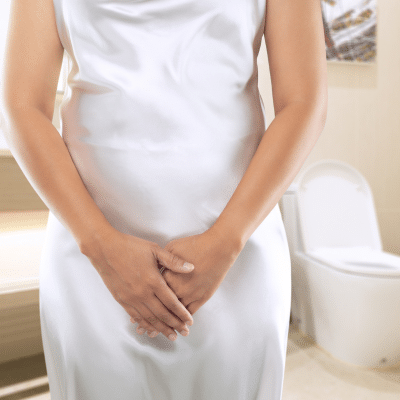
 Urinary incontinence is a prevalent yet often misunderstood condition among women, impacting millions around the globe. While it might seem like an uncomfortable topic to discuss openly, understanding the causes and available solutions is essential for women’s health and well-being. At Women’s Health Services of Central Virginia, we aim to shed light on this common issue and provide insights into effective treatments for our patients in Lynchburg, Madison Heights, Timberlake and Hollins, VA.
Understanding Urinary Incontinence
Urinary incontinence refers to the involuntary leakage of urine, a condition that can vary in severity and frequency. It affects women of all ages, although it becomes more common with age. Several factors contribute to urinary incontinence, including weakened pelvic floor muscles, hormonal changes, pregnancy and childbirth, obesity, certain medications and neurological disorders.
Types of Urinary Incontinence
Various forms of urinary incontinence exist, each characterized by distinct causes and symptoms:
- Stress incontinence: This happens when actions like coughing, sneezing, laughing, or exercising exert pressure on the bladder, resulting in the leakage of urine.
- Urge incontinence: Alternatively termed as overactive bladder, this type manifests as a sudden, intense urge to urinate, often accompanied by involuntary leakage. It often results from an overactive detrusor muscle in the bladder.
- Overflow incontinence: This happens when the bladder fails to fully empty, resulting in urine overflow and leakage. It’s often associated with conditions that obstruct the bladder outlet, such as urinary retention or nerve damage.
- Mixed incontinence: Some women experience a combination of stress and urge incontinence, known as mixed incontinence.
Treatment Options
Thankfully, multiple treatment options exist to effectively manage urinary incontinence and enhance overall quality of life:
- Lifestyle Changes: Making simple lifestyle modifications can significantly reduce symptoms of urinary incontinence. These may include maintaining a healthy weight, practicing pelvic floor exercises (Kegels), limiting caffeine and alcohol intake, quitting smoking and managing constipation.
- Pelvic Floor Physical Therapy: Pelvic floor physical therapy involves exercises and techniques designed to strengthen the muscles that support the bladder and urethra. A trained physical therapist can provide personalized guidance and support to improve pelvic floor function.
- Behavioral Therapies: Behavioral therapies, such as bladder training and scheduled voiding, help women regain control over their bladder function by retraining their bladder habits and patterns.
- Medications: In some cases, medications may be prescribed to alleviate symptoms of urge incontinence by relaxing the bladder muscles or reducing bladder spasms.
- Medical Devices: In cases of severe urinary incontinence in women, healthcare providers may suggest the use of medical devices like urethral inserts or pessaries to offer support to the bladder and minimize leakage.
- Surgery: In cases where conservative treatments are ineffective, surgical procedures may be considered to address underlying issues contributing to urinary incontinence, such as bladder or pelvic organ prolapse.
Seeking Help
It’s essential for women experiencing symptoms of urinary incontinence to seek help from a healthcare professional. While the condition may feel embarrassing or taboo to discuss, healthcare providers are trained to offer compassionate care and effective solutions. Ignoring symptoms of urinary incontinence can lead to worsening of the condition and impact overall quality of life.
At Women’s Health Services of Central Virginia, our team of experienced healthcare professionals is dedicated to providing comprehensive care for women’s health issues, including urinary incontinence. We offer personalized treatment plans tailored to each individual’s needs, with a focus on improving symptoms and restoring confidence and comfort.
Request Your Appointment in Lynchburg, VA Today
Urinary incontinence is a common yet manageable condition that affects many women. By understanding the causes and available treatment options, women can take proactive steps to address their symptoms and improve their quality of life. Whether through lifestyle changes, pelvic floor therapy, medications, or surgical intervention, there are effective solutions available to help women regain control over their bladder function and enjoy greater comfort and confidence in their daily lives. Don’t let urinary incontinence hold you back—request your appointment today to explore your options and take the first step toward better bladder health. At Women’s Health Services of Central Virginia in Lynchburg, we proudly serve women in Lynchburg, Campbell County and the surrounding areas.