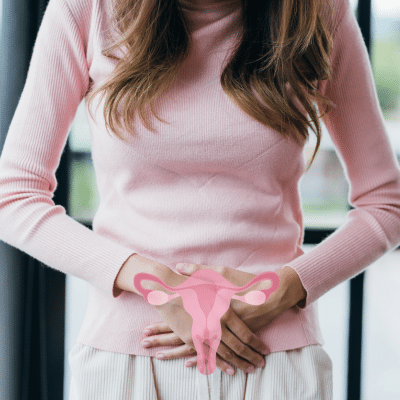
 Polycystic Ovary Syndrome (PCOS) is a prevalent hormonal condition impacting as many as 10% of women in their reproductive years. Characterized by hormonal imbalances, irregular periods and small cysts on the ovaries, PCOS can lead to a wide range of symptoms, from acne and weight gain to fertility issues and mood changes. While there’s no cure for PCOS, managing its symptoms through lifestyle changes and support from others can make a significant difference in improving overall health and well-being.
At Women’s Health Services of Central Virginia in Lynchburg, we are committed to helping women with PCOS understand their condition and take the necessary steps to manage it. Below, we explore lifestyle changes and tips for living with PCOS, along with supportive resources for those navigating this condition.
Understanding PCOS and Its Symptoms
PCOS is mainly triggered by a disruption in reproductive hormone levels. These hormonal disruptions can interfere with ovulation, causing irregular periods or no periods at all. Additionally, the elevated levels of androgens (male hormones) in women with PCOS can lead to unwanted symptoms like excess facial hair, acne and hair thinning. PCOS can also increase the risk of more serious health issues, such as type 2 diabetes, high blood pressure and heart disease.
Managing PCOS involves addressing both the symptoms and the underlying hormonal imbalance. While medication may be necessary in some cases, lifestyle modifications often play a crucial role in managing this condition.
Key Lifestyle Tips for Managing PCOS
Making sustainable changes to your diet, exercise routine and stress management strategies can have a profound impact on your ability to manage PCOS symptoms.
Adopt a Balanced, PCOS-Friendly Diet
Diet plays a key role in managing PCOS symptoms, particularly because many women with PCOS are insulin-resistant, meaning their bodies struggle to regulate blood sugar effectively. This can result in weight gain and various metabolic issues.
Dietary tips for managing PCOS:
- Focus on low-glycemic foods: These foods have a minimal impact on blood sugar levels. Choose whole grains, legumes, non-starchy vegetables and fruits like berries, apples and pears.
- Reduce refined sugars and carbohydrates: Avoid processed snacks, sugary drinks, white bread and pastries, which can cause blood sugar spikes and worsen insulin resistance.
- Incorporate healthy fats: Omega-3 fatty acids found in fatty fish (such as salmon), chia seeds, flaxseeds and walnuts can help reduce inflammation and improve hormone balance.
- Increase fiber intake: High-fiber foods like vegetables, beans and whole grains can help improve digestion and regulate blood sugar levels.
- Eat more lean proteins: Chicken, turkey, tofu and fish are great sources of lean protein, which can support metabolism and muscle maintenance.
Exercise Regularly to Manage Weight and Hormonal Imbalances
Exercise is an essential component of PCOS management. Not only does regular physical activity help with weight management, but it also improves insulin sensitivity, enhances mood and supports hormone regulation.
Exercise tips for PCOS:
- Aim for 30 minutes a day: Incorporate moderate-intensity exercises like walking, cycling, or swimming at least five days a week.
- Add strength training: Weightlifting or bodyweight exercises (such as squats, lunges and push-ups) help build muscle and boost metabolism.
- Incorporate stress-reducing activities: Exercises like yoga or Pilates can help alleviate stress, reduce cortisol levels and improve overall well-being.
- Stay consistent: Finding activities you enjoy will make it easier to stay motivated and maintain a regular exercise routine.
Manage Stress and Prioritize Mental Health
Chronic stress can exacerbate PCOS symptoms, especially since elevated cortisol levels can further disrupt hormone balance. Finding ways to manage and reduce stress is essential for overall health.
Stress management strategies:
- Practice mindfulness: Techniques like meditation, deep breathing and progressive muscle relaxation can help reduce stress and anxiety.
- Prioritize sleep: Shoot for 7-9 hours of sleep each night. Sleep is crucial for hormone regulation and overall health.
- Engage in hobbies: Finding time for activities you enjoy can provide an emotional and mental break, improving your mood and reducing stress.
- Connect with others: Sharing your experiences and feelings with family, friends, or support groups can help you feel more supported in managing PCOS.
Weight Management: A Key to Reducing PCOS Symptoms
For women with PCOS, weight management can be especially challenging due to hormonal imbalances and insulin resistance. However, losing even a small percentage of body weight can lead to significant improvements in symptoms, including regular menstrual cycles and reduced insulin resistance.
Tips for weight management:
- Focus on gradual, sustainable weight loss: Crash diets and extreme calorie restrictions can make PCOS symptoms worse. Instead, aim for a balanced approach to nutrition and exercise.
- Consider working with a healthcare professional: A dietitian or nutritionist familiar with PCOS can help create a personalized eating plan that addresses your specific needs and goals.
Medical Treatment Options for PCOS
In addition to lifestyle changes, some women may require medical treatment to manage their PCOS symptoms effectively. Birth control pills, anti-androgen medications and metformin (an insulin-sensitizing drug) are commonly prescribed to help regulate hormones, reduce excessive hair growth and manage insulin resistance.
At Women’s Health Services of Central Virginia, we take a comprehensive approach to PCOS management, offering personalized treatment plans that incorporate lifestyle changes, medical interventions and ongoing support.
Support and Resources for Women with PCOS
Living with PCOS can be challenging, but with the right strategies and support, you can take control of your health. In addition to our expert care at Women’s Health Services of Central Virginia in Lynchburg, we encourage you to seek out support groups, online forums and resources specifically designed for women with PCOS. Engaging with others who have similar experiences can offer both emotional support and helpful insights.
PCOS Support: Request Your Appointment in Lynchburg, VA Today
Managing PCOS requires a comprehensive and multi-faceted approach. By focusing on a healthy diet, regular exercise, stress management and weight control, you can effectively manage your symptoms and improve your overall quality of life. At Women’s Health Services of Central Virginia in Lynchburg, we proudly serve women in Lynchburg, Campbell County and the surrounding areas. We are here to provide the guidance and care you need to manage your PCOS and live a healthier life. Contact us today to request your appointment and start your journey to better health.