 Managing mood swings during menopause is an important part of maintaining emotional well-being during this major life transition. Menopause brings wide-ranging physical and emotional changes, not just the end of menstrual cycles. While most women experience menopause in their late 40s to early 50s, the transition often begins years earlier during perimenopause as hormone levels fluctuate. Many women face mood changes during this time, including irritability, anxiety and emotional instability. At Women’s Health of Central Virginia in Lynchburg, VA, addressing these changes is a key part of comprehensive care.
Understanding Mood Changes During Menopause
Hormonal fluctuations (particularly declines in estrogen and progesterone) are at the heart of many menopause symptoms, including changes in mood and emotional well-being. These hormonal shifts can affect brain chemistry and emotional regulation, leading to mood swings similar to those experienced during premenstrual syndrome. For women learning about managing mood swings during menopause, it’s important to recognize that these symptoms are common and treatable.
Although mood changes are a normal part of the menopause transition, their severity varies significantly from one person to another. Some women experience mild and intermittent mood swings, while others face more persistent emotional challenges. Managing mood swings during menopause proactively can help reduce their impact on daily life and improve overall well-being.
Why Mood Swings Happen
As estrogen levels decline, neurotransmitters in the brain, such as serotonin and dopamine, may be affected. These chemicals play essential roles in mood, stress response, sleep and emotional balance. A reduction in estrogen can make you more emotionally sensitive, intensify stress reactions and contribute to symptoms like depression, anxiety, or irritability. Understanding these changes is the first step in managing mood swings during menopause.
Additionally, menopause often brings other changes that interact with emotional health, such as sleep disturbances caused by hot flashes, fluctuations in energy and shifts in body image or life roles. Combining these factors can make emotion regulation more challenging, which is why managing mood swings during menopause is so important.
Practical Strategies to Support Emotional Health
While not every emotional change requires medical intervention, there are several ways women can support their mood during menopause:
1. Focus on Healthy Lifestyle Habits
Maintaining a balanced diet, staying active and prioritizing restful sleep can all contribute to emotional stability. Healthy habits support hormone balance, improve mood and reduce anxiety. Daily routines like walking, nutritious meals and consistent sleep schedules play a key role in managing mood swings during menopause.
2. Stay Connected and Supported
Sharing experiences with family, friends, or other women undergoing menopause provides emotional validation and reduces isolation. Social support is a cornerstone of managing mood swings during menopause, helping women navigate emotional ups and downs with confidence.
3. Practice Self-Care and Stress Management
Stress can worsen emotional symptoms during menopause. Activities like meditation, gentle yoga, journaling, or hobbies that bring joy promote calmness and help regulate stress hormones. These practices are essential tools for managing mood swings during menopause effectively.
4. Recognize When Professional Support Is Helpful
You don’t have to face challenging emotional symptoms alone. At Women’s Health of Central Virginia in Lynchburg, VA, providers offer personalized menopause management, including discussions about mood changes. If symptoms interfere with daily life, medical options, such as hormone therapy or mental health referrals, can support your journey of managing mood swings during menopause.
Talking With Your Provider: Request Your Appointment in Lynchburg, VA Today
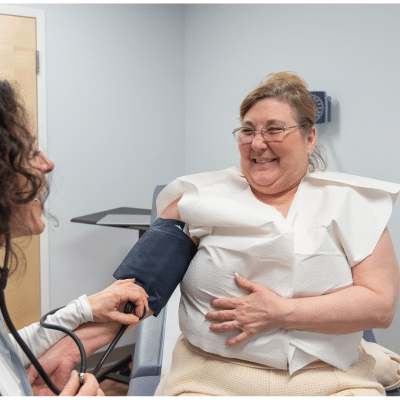
A supportive conversation with your healthcare provider is a vital step in managing mood swings during menopause. A thorough assessment, including a physical exam and detailed discussion of your symptoms, can clarify whether you’re in perimenopause or menopause and guide a personalized care plan. Addressing both physical and emotional health ensures better quality of life during this transition.
Whether you’re experiencing mild mood fluctuations or more persistent emotional challenges, proactively managing mood swings during menopause helps maintain your confidence, energy and well-being. At Women’s Health of Central Virginia, compassionate care and individualized menopause support aim to help women navigate this transition with comfort and clarity. Request your appointment today!