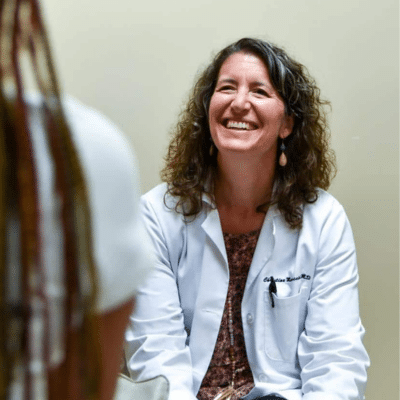
 At Women’s Health Services of Central Virginia in Lynchburg, we know perimenopause and menopause are a significant life change for every woman, marking the end of the reproductive years. This natural transition is different for every woman, with its own set of challenges, but the right care and management can make a world of difference. Understanding menopause, recognizing symptoms and knowing your options for management are key to navigating this life stage with confidence and comfort.
What is Menopause?
Menopause occurs when a woman’s body undergoes a gradual reduction in the production of the hormones estrogen and progesterone. This natural transition happens when a woman’s menstrual cycle begins to become irregular and eventually stops. While most women experience menopause in their late 40s to early 50s, the average age for menopause is about 51. Menopause is confirmed when a woman goes 12 consecutive months without having a menstrual period.
However, it’s important to note that the symptoms of menopause, known as perimenopause, can begin several years before the final period. During perimenopause, hormone levels fluctuate, leading to a variety of symptoms that can impact daily life. These changes are entirely normal, but they can sometimes be difficult to manage.
Common Symptoms of Menopause
The symptoms of menopause can range from mild to severe and can affect multiple aspects of a woman’s life. Here are some of the most common symptoms:
Changes in Menstrual Cycle
For numerous women, the initial indication of perimenopause is a shift in their menstrual cycle. Periods may become irregular, with varying lengths and amounts of flow. Some women may notice their cycles becoming shorter, while others may experience longer cycles. Periods can be heavier or lighter, and some women may miss periods altogether before they stop completely.
Hot Flashes and Night Sweats
Hot flashes are a common and characteristic symptom of menopause. They are sudden, intense waves of heat that can cause sweating, redness and discomfort. Hot flashes can occur during the day or night (night sweats) and are triggered by factors such as tight clothing, stress, caffeine, alcohol and spicy foods. These symptoms are caused by fluctuating hormone levels and can disrupt daily routines, especially when they happen at night.
Sleep Disturbances
Sleep issues are another common symptom of menopause. Insomnia and restlessness are frequent complaints. Hot flashes and night sweats can raise your body temperature, making it difficult to fall or stay asleep. The disruption in sleep patterns can affect your overall well-being, leading to daytime fatigue, irritability and reduced concentration.
Mood Swings and Memory Changes
During menopause, many women experience mood swings, similar to those they may have had with PMS. As estrogen levels decline, it can impact mood regulation, leaving women feeling more anxious, sad, irritable, or even depressed. Memory problems, such as forgetfulness or difficulty concentrating, are also common. Lifestyle changes like exercise, eating a balanced diet and managing stress can help improve mood and cognitive function.
Vaginal Dryness
As estrogen levels drop, the vaginal lining may become thinner, drier and lose some of its flexibility. This can cause discomfort or pain during intimate relations. Vaginal dryness is common during menopause, but there are treatments available that can help. It’s important to discuss these symptoms with your doctor, who can recommend suitable solutions.
Menopause Management: Finding Relief
Managing the symptoms of menopause doesn’t have to be overwhelming. While menopause is a natural phase of life, it’s not medically necessary to treat all symptoms unless they are causing significant discomfort or interfering with daily life. At Women’s Health Services of Central Virginia in Lynchburg, we offer various management strategies to help women navigate this transition.
Natural Lifestyle Changes
In many cases, simple lifestyle changes can provide relief from menopause symptoms. This can include adopting a healthier diet, regular physical activity, practicing relaxation techniques and ensuring adequate sleep. Avoiding triggers like alcohol, caffeine and spicy foods may also help reduce hot flashes and night sweats.
Hormone Therapy
For women who experience more severe symptoms that disrupt their daily lives, low-dose hormone therapy may be an option. Hormone therapy involves replacing the hormones estrogen and progesterone, which can alleviate many symptoms like hot flashes, vaginal dryness and mood swings. However, hormone therapy is not suitable for everyone, and it’s important to discuss the risks and benefits with your healthcare provider.
Other Treatment Options
There are also non-hormonal medications and therapies that can help manage menopause symptoms, such as certain antidepressants or medications to treat hot flashes. Additionally, vaginal lubricants or moisturizers can help alleviate vaginal dryness. Your doctor at Women’s Health Services of Central Virginia can help determine the best course of treatment based on your individual needs.
How Do I Know If I Am In Perimenopause?
Every woman experiences perimenopause and menopause differently. If you’re noticing changes in your menstrual cycle, mood, sleep, or other aspects of your health, it may be a sign that you’re entering perimenopause. A physical exam and discussion of your symptoms, along with your medical history, can help your healthcare provider assess your situation.
It’s important to continue with your regular annual physical exams during perimenopause. This allows your doctor to monitor any changes and ensure that you’re receiving the right care to manage menopause symptoms. Additionally, after menopause, the risk of certain conditions like heart disease, osteoporosis and cancer increases, so regular check-ups are essential for maintaining overall health.
Perimenopause & Menopause Management: Request Your Appointment in Lynchburg, VA Today
If you are experiencing menopause symptoms or suspect that you are entering perimenopause, don’t hesitate to reach out to Women’s Health Services of Central Virginia in Lynchburg, VA. Our team is here to guide you through this transition with personalized care and support. At Women’s Health Services of Central Virginia in Lynchburg, we proudly serve women in Lynchburg, Campbell County and the surrounding areas. Request your appointment today to start your journey toward managing menopause with confidence.